Learn how to link documents, suppliers, materials, batches, territories, and products to establish traceability in artisanal and bioeconomy supply chains.
Documents, origin, and evidence: the challenge of traceability in the bioeconomy
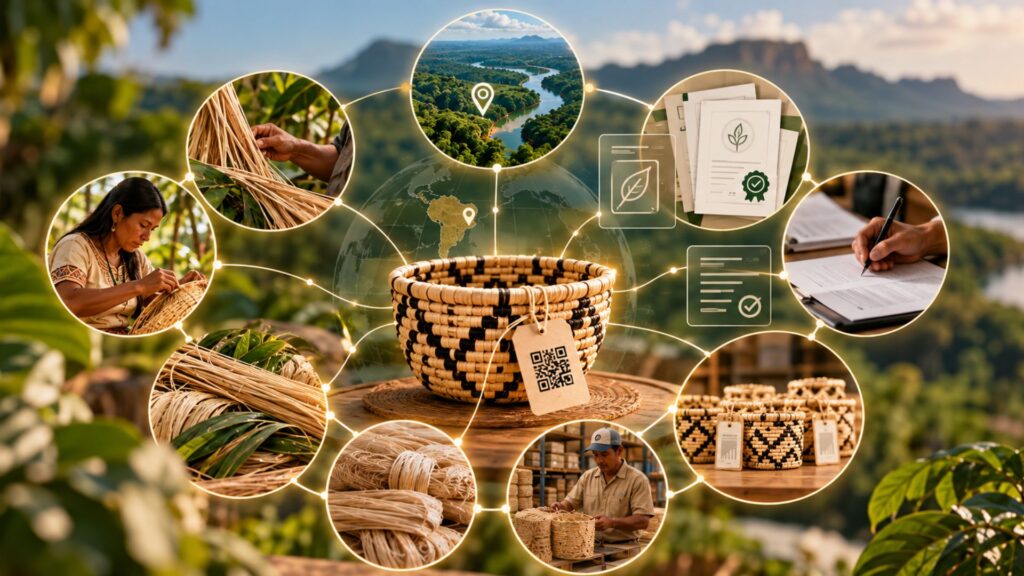
Learn how to link documents, suppliers, materials, batches, territories, and products to establish traceability in artisanal and bioeconomy supply chains.
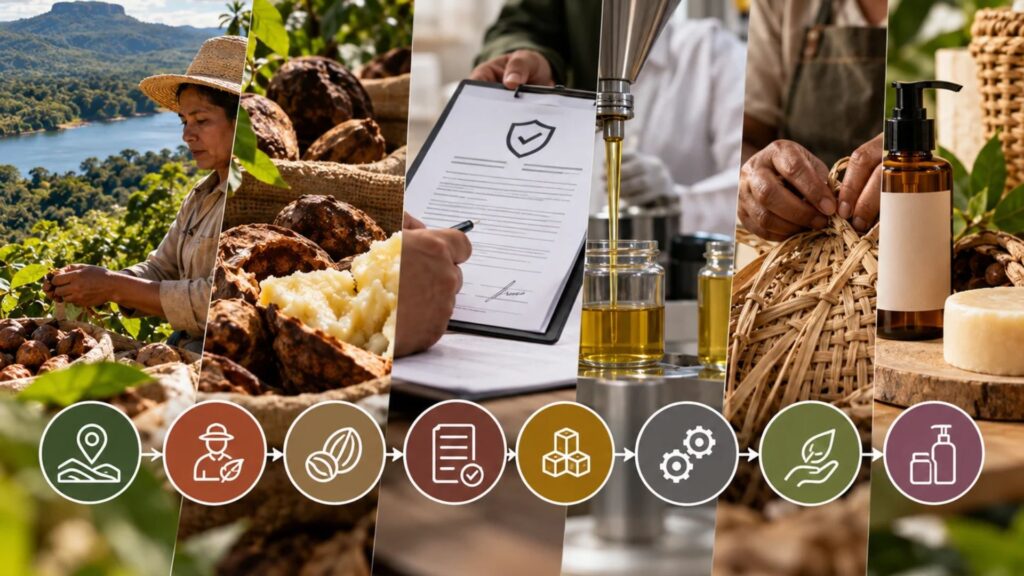
Learn how supplier and batch compliance statements and supporting documentation can strengthen the traceability of artisanal, natural, and bioeconomy products.
Understand how traceability, family succession, traditional knowledge, income, and market access are linked to the sustainable continuity of production chains.

Understand how traceability, family succession, traditional knowledge, income, and market access are linked to the sustainable continuity of production chains.
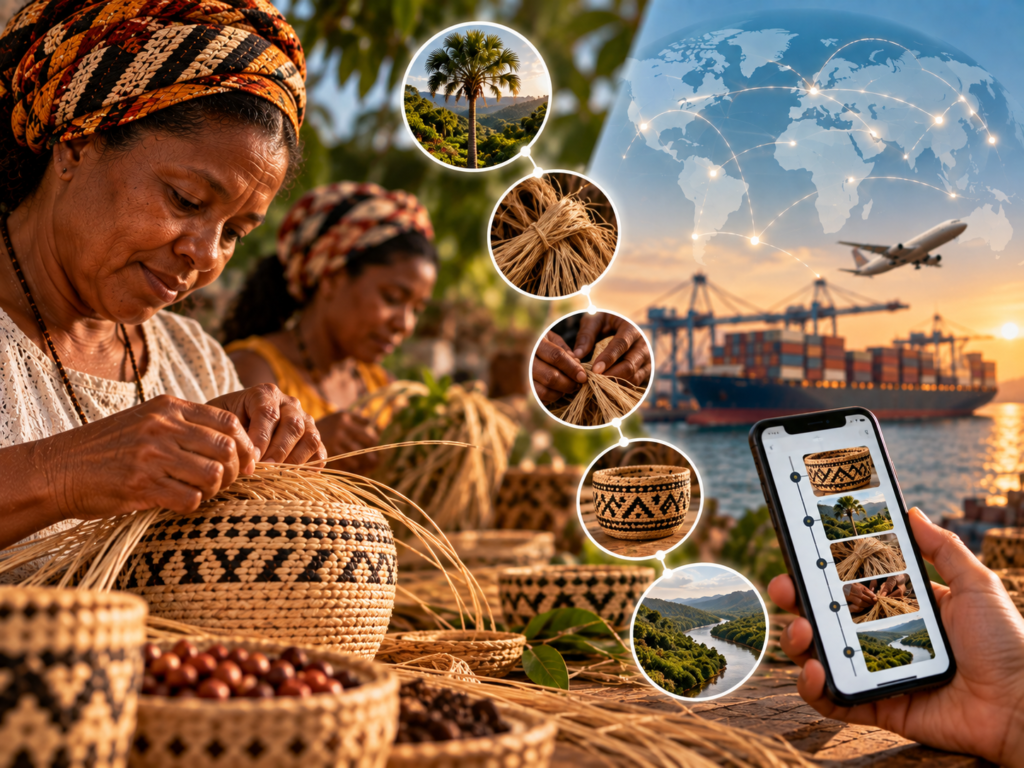
Discover how traceability connects raw materials, regions, producers, processes, and the market, highlighting the value generated throughout the entire supply chain.
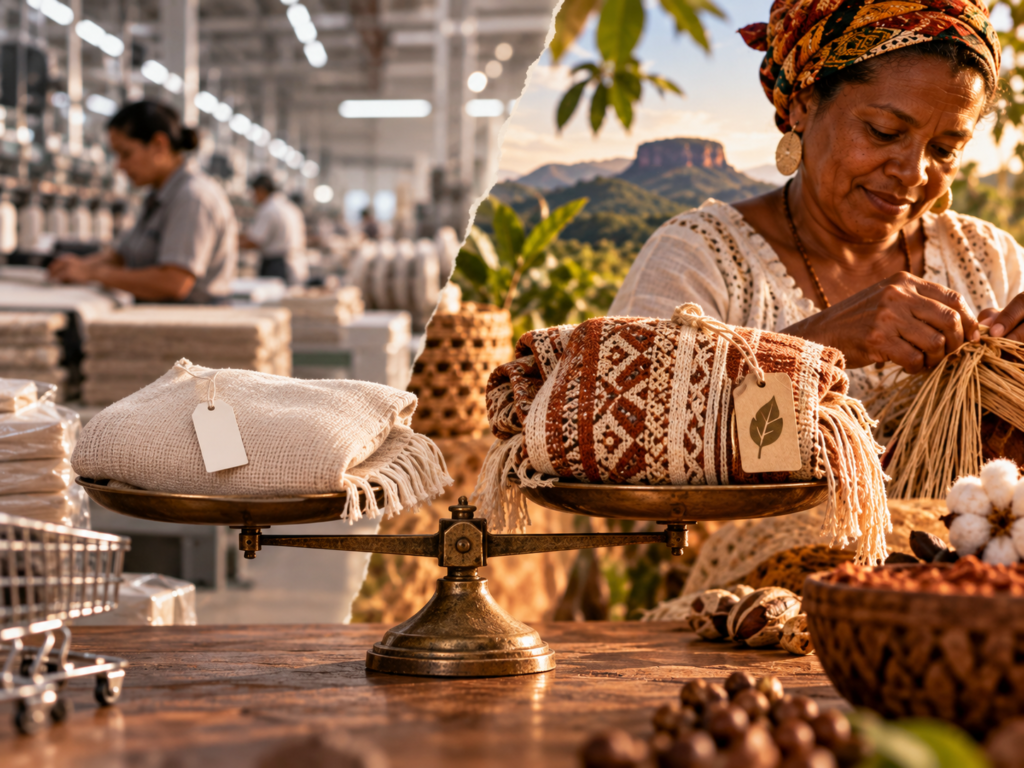
See how origin, craftsmanship, region, processes, and evidence help distinguish artisanal products beyond price and enhance their perceived value.
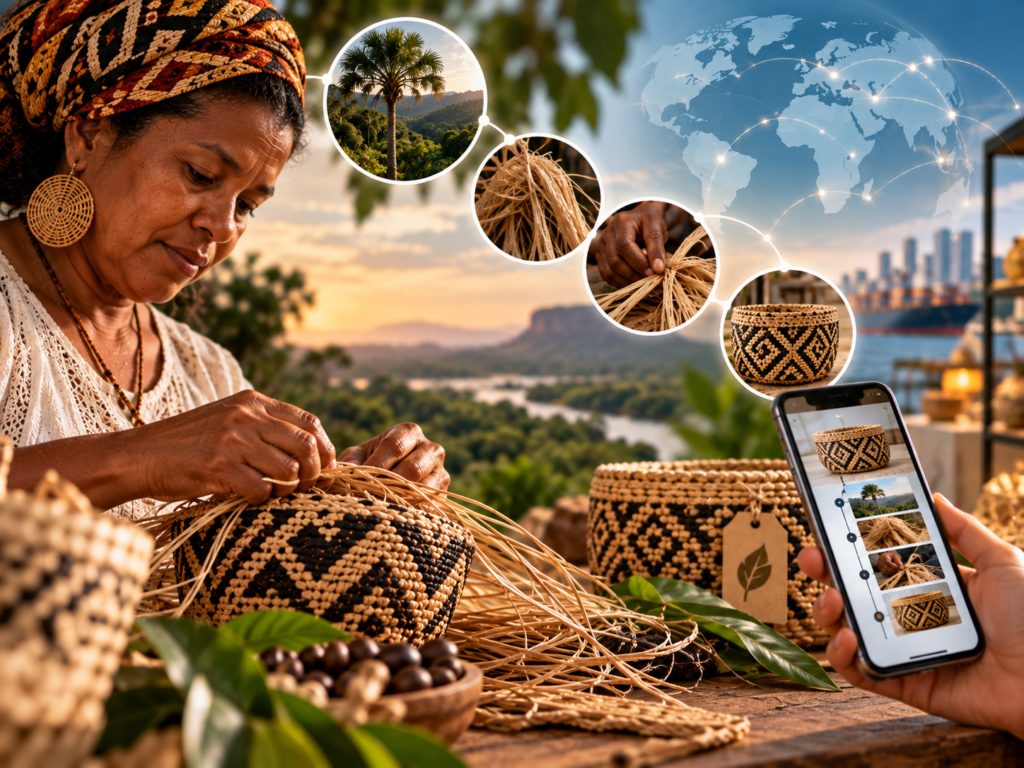
Understand how traceability, origin, territory, provenance, and evidence make a product’s invisible attributes visible and enhance its perceived value.

Learn how SUIDChain, SUIDPass, FSC, and traceability link origin, timber, evidence, and intelligence to Brazilian furniture exports.
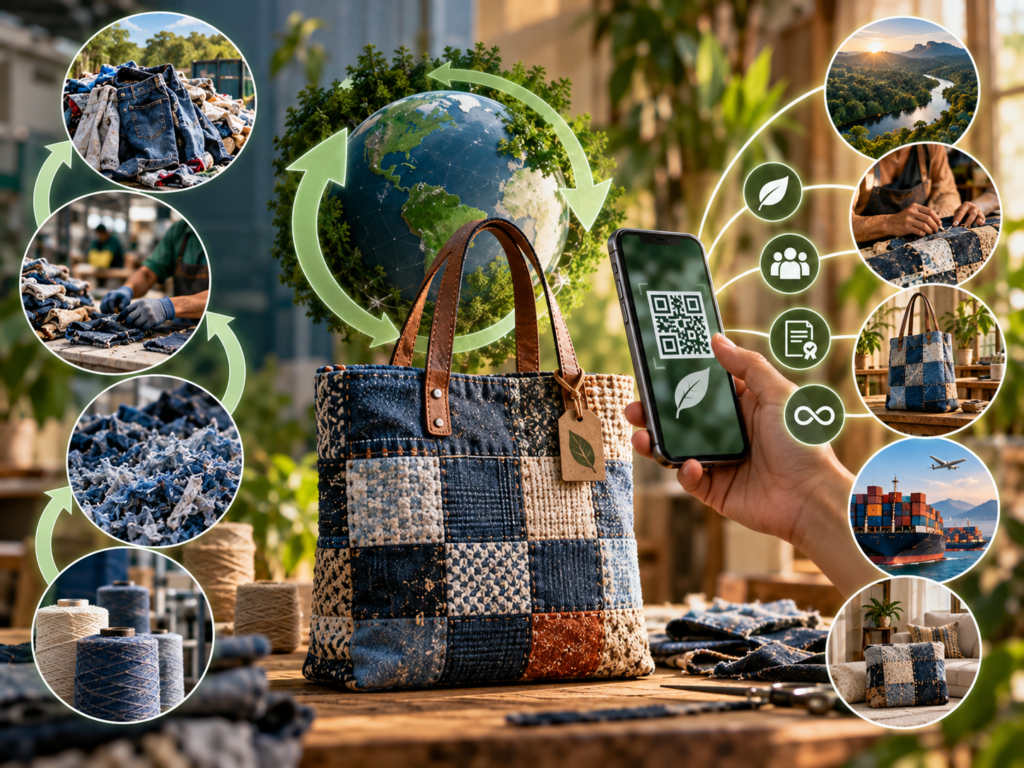
Learn how digital passports link origin, recovery, handicrafts, patchwork, upcycling, and evidence throughout new production cycles.
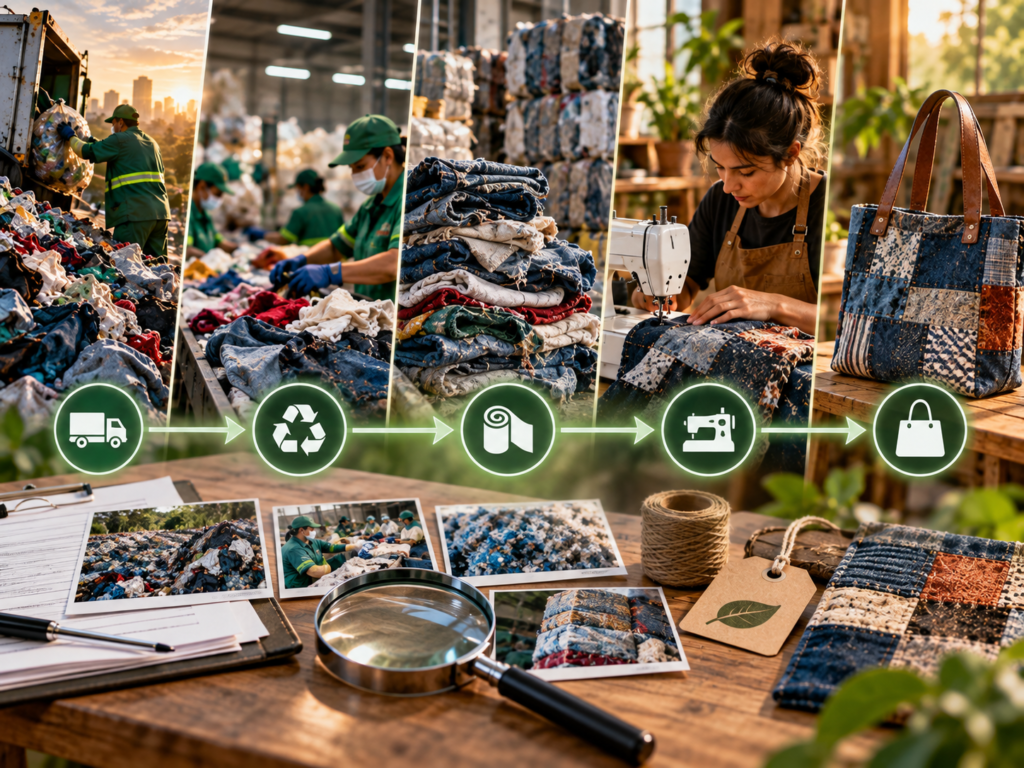
Learn how to organize evidence related to the origin, recovery, and transformation of materials into recycled products, crafts, patchwork, and upcycled items.