Expo Paraguay Brazil 2026: Connections, Business Intelligence, and New Paths to Internationalization
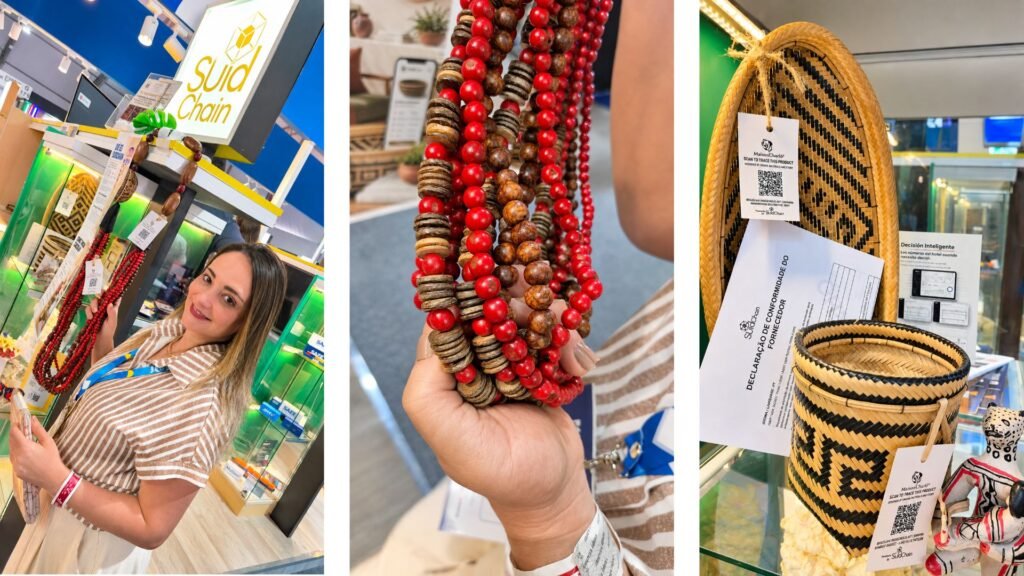
SUIDChain’s participation in the 17th edition of the trade show in Hernandarias highlights opportunities for regional integration and sparks discussion on technology, compliance, market intelligence, and international business development.
A week of connections and new perspectives
Participation in the 17th Expo Paraguay Brasil 2026, held November 11–13 at the Itaipu Technology Park in Hernandarias, provided SUIDChain with an opportunity to engage with various business sectors and gain new perspectives on the challenges of internationalization.
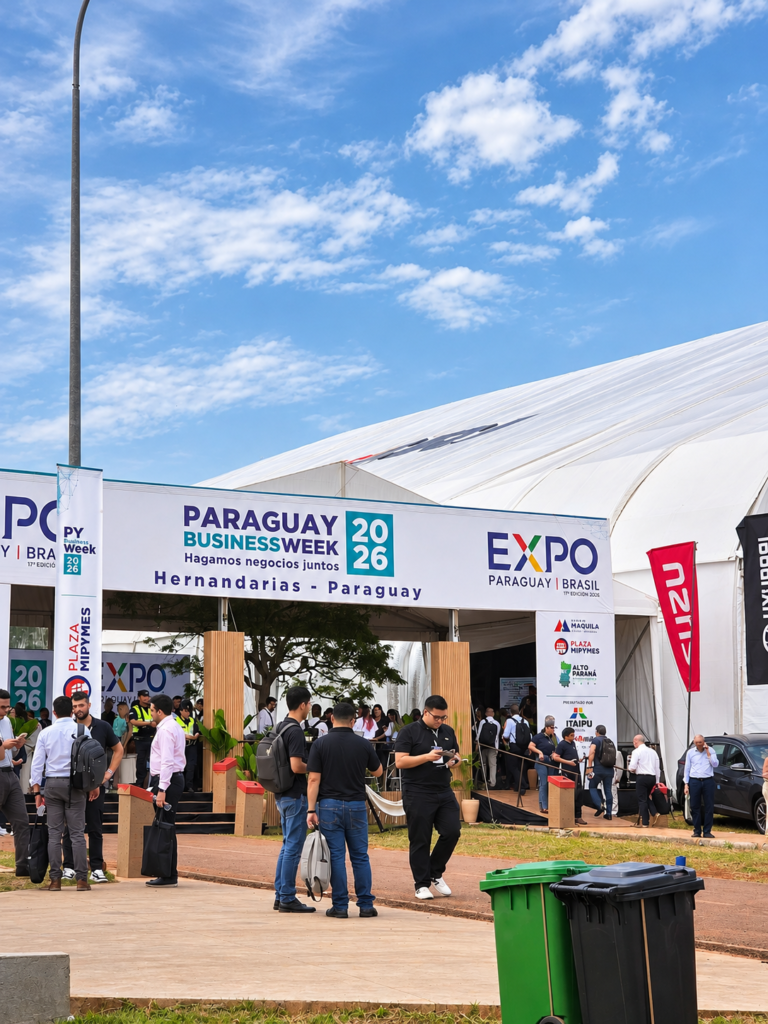
During a week of activities, the company took part in business meetings, institutional presentations, and discussions with business leaders, representatives of institutions, and potential partners.
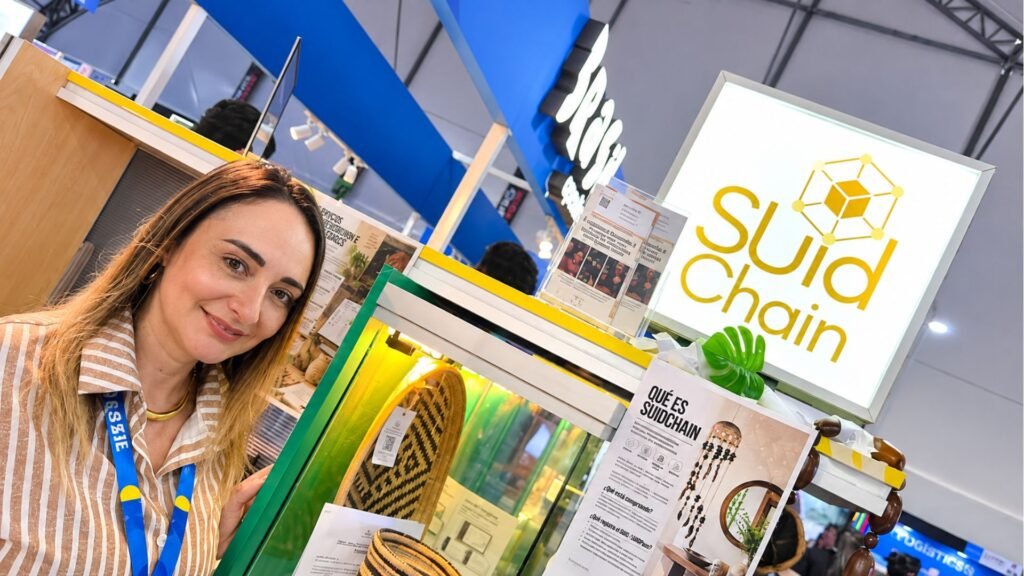
Represented by its founder, Karen Reis, SUIDChain presented solutions for digital product identity, traceability, transparency, and compliance, while also seeking to better understand the business environment and opportunities for integration between Brazil and Paraguay.
The experience has shown that participating in international events goes beyond simply holding business meetings. Direct contact with different markets also makes it possible to identify needs, observe trends, understand business models, and recognize challenges that do not always appear in surveys or reports.
Expo Paraguay Brasil Reports Significant Growth in 2026
The 17th edition of Expo Paraguay Brasil marked another milestone in the event’s growth, expanding business participation and its significance in regional economic relations.
According to the report released by the organization, the 2026 edition recorded:
- 15,637 visitors, a 74% increase compared to 2025;
- 362 exhibitors, a 125% increase;
- 3,050 business meetings;
- 1,182 companies and organizations participating in the business matchmaking sessions;
- Approximately $640 million in business intentions, a 52% increase.
The indicators reflect the event’s growing importance as a platform for bringing together companies, investors, institutions, and organizations interested in expanding their business activities.
However, it is important to distinguish between business intentions and actual revenue generated.
The figures reported represent potential business opportunities, the realization of which depends on further negotiations, market conditions, and business follow-up.
This distinction underscores the need to evaluate trade shows not only based on the number of attendees or commercial expectations, but also on their ability to turn contacts into relationships and concrete opportunities.
Paraguay Expands Opportunities for Industrial and Trade Integration
The business climate observed during the Paraguay-Brazil Expo demonstrated that opportunities for cooperation between the two countries extend beyond traditional import and export operations.
Paraguay Business Week brought together initiatives related to industry, investment, micro and small businesses, and productive integration, including Expo Maquila, Plaza Mipymes, and the Alto Paraná Invest Forum.
The program highlighted various opportunities for business development, ranging from establishing distribution channels to forming industrial partnerships and setting up manufacturing operations.
The presence of Brazilian companies interested in establishing or expanding their operations in Paraguay has also reinforced the country’s role as a hub for regional economic integration.
However, each opportunity requires an individualized assessment.
Industrial frameworks, tax conditions, logistics infrastructure, operating costs, and regulatory requirements have varying impacts depending on the sector and business model.
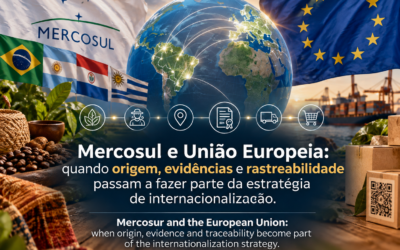
In this context, internationalization should be understood as a strategic process involving market analysis, the identification of opportunities, and risk assessment.
International Trade Shows as Tools for Market Intelligence
One of the key lessons learned from SUIDChain's participation concerned the role of international trade shows in generating business intelligence.
Although the number of meetings and contacts is often used as a performance indicator, the effectiveness of these activities also depends on the quality of the information obtained.
During the Paraguay-Brazil Expo, the company carried out activities to identify organizations, analyze economic sectors, and map out potential business opportunities.
The experience highlighted the importance of understanding not only who attends an event, but also the needs, challenges, and business perspectives that characterize these companies.
Discussions with business leaders can reveal documentation requirements, difficulties in accessing certain markets, the need to adapt products, and opportunities for developing new services.
This information becomes particularly relevant when organized into lead generation, lead qualification, and sales follow-up processes.
For companies with lean structures, the ability to prioritize relationships and identify opportunities that are more closely aligned with the business is a key factor in the efficient use of resources.
Therefore, participation in international trade shows should be viewed as part of an ongoing business journey, rather than as a one-off activity.
The strategic value of a trade show lies not only in the number of contacts made, but in the ability to transform information into knowledge, decisions, and business development.
SUIDChain offers solutions for digital identity and product compliance
SUIDChain's participation at the ApexBrasil event provided an opportunity to showcase its technological solutions to business leaders and professionals from various industries.
The company develops solutions designed to organize and provide product information, with a focus on digital identity, traceability, transparency, compliance, and business intelligence.
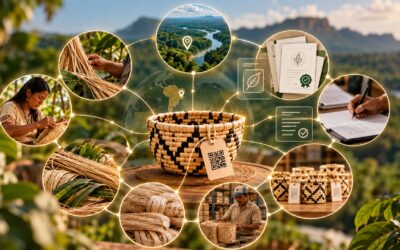
The proposal is based on challenges identified in the process of internationalizing Brazilian products, particularly those related to handicrafts, small-scale production, and the bioeconomy.
In these sectors, information about origin, materials, suppliers, production processes, and supporting documentation is often scattered across different records.
This fragmentation can make it difficult to provide relevant information to buyers, distributors, and business partners.
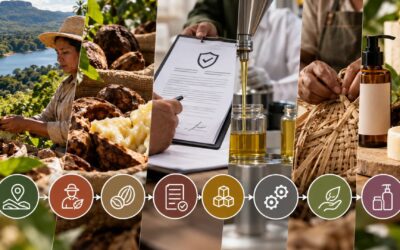
Through digital product identification and SUIDPass, SUIDChain aims to organize this information and make it easier to access throughout commercial transactions.
Another area of focus involves providing support for document organization related to Supplier Declaration of Conformity processes, in accordance with ISO/IEC 17050-1 and 17050-2.
This type of declaration represents a statement by the supplier itself regarding the conformity of a specific product with specified requirements and should not be confused with independent certification.
Organizing documents and evidence can help ensure a more structured presentation of information, in compliance with the legal and technical requirements applicable to each product and market.
The discussions held during the trade show also offered new perspectives on possible applications of these solutions in different supply chains.
Handicrafts and the Bioeconomy: Connecting Cultural Identity and Technology
The presence of Brazilian artisanal products alongside SUIDChain’s technological offering was one of the highlights of the company’s participation in the trade show.
The initiative is linked to the experience of Maison Charlô, a Brazilian brand with an international presence in the home and decor sector, whose history has helped identify challenges related to the presentation, marketing, and internationalization of products of Brazilian origin.
Handcrafted products possess qualities that go beyond their commercial functionality.
Production techniques, traditional knowledge, materials, territories, and cultural identities all contribute to the value of these products.
However, gaining access to new markets also requires business information, documentation, quality standards, and compliance with specific requirements.
In this context, technological solutions can help bridge the gap between cultural appreciation and the information needs of buyers and distributors.
The goal is not to replace the history or uniqueness of artisanal production, but to provide resources for organizing and presenting relevant information about its origins and processes.
This approach also addresses the challenges faced by small-scale producers and businesses involved in the bioeconomy, especially those interested in expanding their participation in more structured supply chains.
New Perspectives on Markets and Cultural Diversity
In addition to the activities held at the fair, the itinerary in Hernandarias offered experiences related to cultural diversity and the unique characteristics of different consumer markets.
Among these, a visit to a mosque stood out, as it provided an opportunity to learn more about initiatives related to the concept of “Muslim Friendly.”
The experience led to reflections on the importance of understanding cultural norms, the expectations of Muslim consumers, and the specific requirements applicable to different product categories.
It also broadened understanding of potential connections with markets in the Persian Gulf countries and with consumer segments within Brazil itself.
In a business context, it is essential to distinguish between cultural inclusion initiatives, business practices tailored to specific audiences, and formal Halal certification processes.
The Supplier's Declaration of Conformity, for example, does not replace Halal certifications when such certifications are required by authorities, buyers, or regulatory bodies.
The experience underscored the importance of understanding the cultural and commercial characteristics of each market before developing positioning or expansion strategies.
Far Beyond the Trade Show: Turning Connections into Business Opportunities
The true potential of an international trade show goes far beyond the meetings held and the contacts made during the event. It is after the show that these connections begin to turn into concrete business opportunities.
For SUIDChain, every interaction represents an opportunity to explore new markets, identify business needs, and build strategic relationships.
For this reason, participation in Expo Paraguay Brasil 2026 is also linked to an approach guided by business intelligence, lead qualification, and the development of B2B opportunities.
Based on the information gathered, it is possible to identify companies with the greatest potential for building relationships, understand their needs, assess the suitability of solutions, and develop more effective sales strategies.
More than just expanding a network of contacts, the goal is to build a structured sales journey that connects lead generation, relationship building, lead qualification, and conversion opportunities.
This approach makes it possible to turn participation in international events into an ongoing process of creating value, strengthening partnerships, and expanding markets.
Because the success of a trade show lies not only in the connections made during the event, but in the business opportunities that can arise from them.
ApexBrasil and the Strengthening of Brazil's Business Presence
SUIDChain's participation at the ApexBrasil event underscored the importance of institutional trade promotion initiatives for Brazilian companies interested in entering new markets.
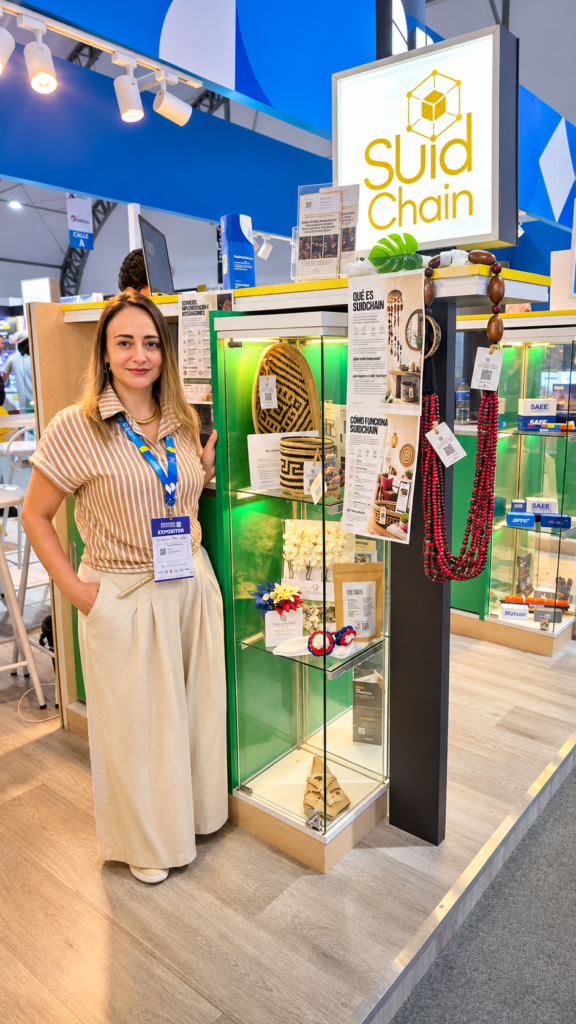
An institutional presence helps increase companies' visibility, facilitate connections, and provide opportunities to engage with different business sectors.
At the 2026 event, the ApexBrasil booth also received recognition by sharing the award for best institutional booth with Plaza Mipymes.
For innovative companies and small businesses, initiatives of this nature can serve as important tools for entering international markets.
SUIDChain acknowledges and thanks ApexBrasil for the opportunity to present its solutions during Expo Paraguay Brasil 2026.
The event also highlights the contribution of the Paraguay-Brazil Chamber of Commerce and the institutions involved in strengthening business relations between the two countries.
At the same time, maintaining existing relationships and turning potential opportunities into business deals remain the responsibility of the participating companies.
Internationalization as a Continuous Learning Process
Participating in Expo Paraguay Brasil 2026 provided SUIDChain with new connections, insights, and perspectives on the development of international markets.
The experience underscored the importance of a business presence, building relationships, and the ability to understand different business realities.
He also pointed out that internationalization should not be understood merely as geographic expansion.
It is a process that involves market knowledge, adaptation, planning, building trust, and the ability to turn information into strategic decisions.
For SUIDChain, the event represented yet another opportunity to understand business needs and evaluate potential applications for its technological solutions.
The challenge remains focused on making information about products, origin, traceability, and compliance more organized, accessible, and useful for various stakeholders in the supply chains.
Not all connections made during a trade show lead to immediate business deals.
Some represent future opportunities, others contribute knowledge, and certain experiences help redefine priorities.
This diversity of results is part of the internationalization process.
More than just crossing borders, internationalization means understanding markets, building lasting relationships, and creating the conditions for business opportunities to flourish.
The experience in Hernandarias underscores the importance of connecting people, products, technology, and markets, recognizing that creating new opportunities requires knowledge, relationships, and continuity.
SUIDChain | Digital Identity, Traceability, Transparency, and Compliance
Sources: Paraguay-Brazil Chamber of Commerce (CCPB), the organizer of Expo Paraguay-Brazil 2026, and ApexBrasil. The figures reported as business intentions do not represent actual revenue generated.